

Steam Cleaning Roofs vs scraping
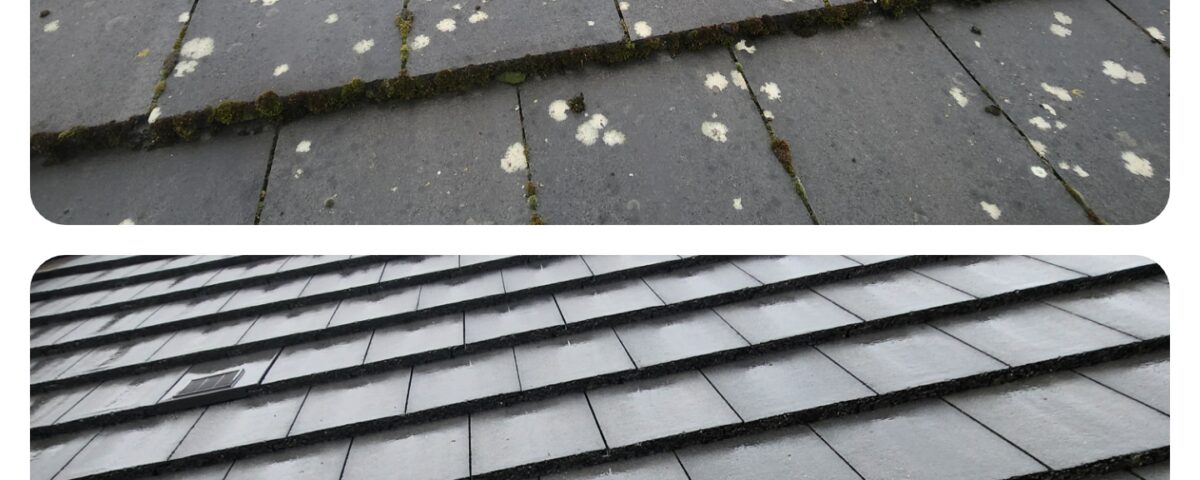
Steam Cleaning Roofs vs. Scraping Roofs: A Comprehensive Comparison
When it comes to maintaining your roof, two popular methods stand out: roof scraping and steam cleaning. Both approaches have their benefits, but they differ significantly in technique, results, and impact on your home. In this article, we’ll explore what roof cleaning entails, the importance of roof cleaning, the process of scraping and steam cleaning, and the advantages and drawbacks of each. By the end, you’ll have a clearer idea of why steam cleaning is often the superior choice.
What is Roof Cleaning?
Roof cleaning is the process of removing debris, algae, moss, lichen, dirt, and other contaminants from a roof’s surface. Over time, these elements can build up and lead to roof damage if not properly addressed. Roof cleaning not only enhances the aesthetic appeal of your home but also helps maintain its structural integrity. Proper cleaning ensures that your roof remains in optimal condition, preventing long-term damage and improving the lifespan of the materials.
Why is Roof Cleaning in Fife Important?
Roof cleaning is essential for several reasons. First, it prevents the growth of algae, moss, and lichen, which can weaken roof materials over time. Algae, for instance, can cause discoloration and may slowly eat away at shingles. Moss and lichen, on the other hand, can trap moisture against the roof, leading to rot, corrosion, and even leaks.
Secondly, roof cleaning enhances the energy efficiency of your home. A dirty roof can absorb heat from the sun, causing your attic to become overheated and raising your cooling costs. A clean, reflective surface helps to maintain a cooler temperature inside your home, thus reducing energy consumption.
Lastly, cleaning your roof improves your home’s curb appeal. A well-maintained roof adds value to your property, making it more attractive to potential buyers if you plan to sell in the future.
What Does Roof Scraping Involve?
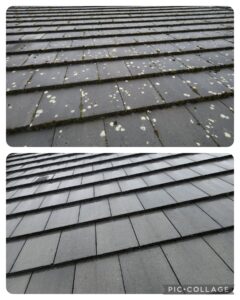
Roof scraping is one of the most traditional methods of roof cleaning. It involves using physical tools, like scrapers, brushes, and sometimes pressure washers, to manually remove debris from the roof. This can be an effective way to clear away moss, leaves, and other large particles.
However, roof scraping comes with some significant downsides. First, it can be physically demanding and time-consuming, especially for steep or complex roofs. Second, scraping can be damaging to the roof’s surface. Harsh scraping or pressure washing can lift shingles, loosen granules, or scratch the surface of tiles, which ultimately shortens the life of the roof. This is particularly true for older roofs, where materials may already be fragile.
Another drawback is that roof scraping does not address the underlying issues causing growth, such as mold or algae. While it removes visible debris, scraping doesn’t clean the roof on a microscopic level, which means growth can return quickly.
What Does Steam Cleaning Involve?
Steam cleaning, on the other hand, is a much more advanced and effective method for cleaning roofs. Steam cleaning uses high-temperature steam to loosen dirt, algae, moss, and other contaminants without damaging the roof. The steam penetrates the surface, sanitizes, and eliminates the growth of bacteria or spores that may cause future damage.
This process is much gentler on the roof compared to scraping, making it ideal for older or fragile roofs. The heat from the steam helps break down stubborn dirt and moss without scratching or harming the roofing material. Additionally, steam cleaning is an environmentally friendly option, as it does not require harmful chemicals or cleaners that could seep into the surrounding environment.
Unlike scraping, steam cleaning also cleans the roof at a microscopic level, ensuring that growth is completely eradicated, which can help prevent the regrowth of moss and algae. Since the process involves water vapor, it is also effective in reaching difficult-to-clean areas, such as between tiles or under overhanging shingles, which scraping may miss.
Advantages of Steam Cleaning
Steam cleaning offers a variety of advantages that make it the preferred method for most roof owners. First and foremost, it’s a gentle cleaning technique that preserves the integrity of your roof. Unlike scraping, which can damage shingles, tiles, or underlayments, steam cleaning uses high-temperature vapor that loosens contaminants without physically disturbing the roofing materials. This means a lower risk of damaging your roof, leading to fewer repair costs in the long run.
Additionally, steam cleaning is more thorough. It doesn’t just remove visible debris but goes a step further by eliminating microorganisms like mold, bacteria, and algae, which can contribute to roof decay. This makes steam cleaning a highly effective method for ensuring your roof stays clean and healthy.
Another significant advantage of steam cleaning is its eco-friendliness. The process relies solely on water vapor, meaning no harsh chemicals are used, making it safer for both your roof and the surrounding environment. Traditional roof cleaning methods, such as pressure washing or scraping, often involve the use of chemical cleaners that can be harmful to plants, pets, and even the roofing material itself. Steam cleaning, however, minimizes this risk.
Moreover, steam cleaning can increase the lifespan of your roof. By removing contaminants that cause deterioration, steam cleaning helps preserve the roofing material and ensures it lasts longer. This can delay the need for costly roof replacements or repairs.
Drawbacks of Steam Cleaning
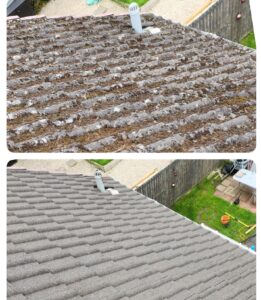
While steam cleaning offers many benefits, it does have some drawbacks. For example, it requires specialized equipment, which can make the initial cost higher than scraping. Professional steam cleaning services may also be more expensive than traditional methods. However, when considering the long-term savings from avoiding roof damage, the cost of steam cleaning becomes a worthwhile investment.
Another potential downside is that steam cleaning may not be effective for extreme cases of moss or algae growth, where the roof has been neglected for a long time. In such cases, a combination of steam cleaning and manual removal might be necessary to achieve the best results.
Advantages of Roof Scraping
Scraping may still have a place in some situations, especially if the roof is heavily cluttered with debris. It’s a straightforward method that doesn’t require special equipment and can be done relatively quickly. It is also less expensive in the short term. However, as mentioned earlier, scraping can lead to damage to the roof’s surface, and it doesn’t address the root causes of growth.
Drawbacks of Roof Scraping
On the other hand, roof scraping can lead to more problems than it solves. The physical nature of scraping can cause long-term damage to the roof, especially on older or fragile materials. It doesn’t sanitize the roof, leaving behind spores and bacteria that can cause the moss, algae, or mold to return. Scraping also doesn’t always remove stubborn growth thoroughly, which can make it necessary to clean the roof more often.
Conclusion: Why Steam Cleaning is the Better Choice
While roof scraping may offer a quick and inexpensive option for cleaning, steam cleaning is clearly the superior method for most homeowners. It’s gentler on the roof, more thorough, and environmentally friendly. It helps preserve the integrity of your roof while ensuring it stays clean and healthy for years to come. Although it may cost more upfront, the long-term benefits of steam cleaning—such as prolonging the life of your roof and preventing the need for costly repairs—make it a smart investment. When compared to scraping, steam cleaning proves to be a more efficient, eco-conscious, and effective choice for roof maintenance. If you would like a quote, see our main Fife roof cleaning service page.

